
Why Oversized AC Units Are a Hidden Problem in Los Angeles Homes: AC Installation in Los Angeles, CA
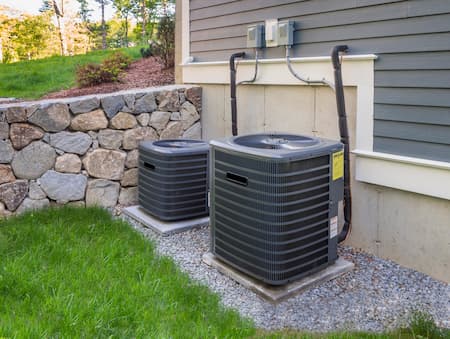
If you are planning an AC installation in Los Angeles, the biggest mistake is picking a unit that is too large for your home. It sounds counterintuitive, but bigger often means less comfort, higher bills, and more repairs. The right size is not a guess. It is the result of a careful load calculation that fits your home's design, insulation, windows, and the way Los Angeles weather really behaves.
The Cost Of Going Too Big: Short Cycling And Energy Spikes
Oversized systems start fast, drop the temperature a couple of degrees, then shut off. Minutes later, they kick back on. That rapid on-and-off pattern is called short cycling. Each start uses a surge of electricity and puts stress on motors, compressors, and capacitors. Over time, those extra starts add up to higher utility bills and a shorter system lifespan.
Think of it like taking a race car to drive two blocks. You burn fuel getting up to speed, hit the brakes, and repeat. The trip looks quick, but the wear is severe, and the fuel use is wasteful. Short cycling drives up energy bills while delivering worse comfort than a properly sized system that runs steadily and smoothly.
Why Oversized AC Leaves Rooms Uneven And Humidity High
Los Angeles has microclimates. Coastal neighborhoods like Santa Monica and Venice see cool evenings and a morning marine layer. The Valley and hillside areas like Sherman Oaks or Hollywood Hills heat up fast and hold the heat. An oversized AC blasts cold air at the thermostat but does not run long enough to pull moisture from the air or push cooling deep into bedrooms, hallways, and upstairs spaces.
The result is hot and cold spots. The living room near the thermostat feels chilly, while the back bedrooms in Silver Lake or Echo Park feel stuffy. You may notice sticky air in late summer or on marine-layer mornings along the Westside because the system did not run long enough to achieve proper dehumidification. Uneven rooms are a red flag that your system may be too large, your ducts are imbalanced, or both.
What A Proper Load Calculation Includes In Los Angeles
Right-sizing is a process, not a guess. Professionals use a Manual J load calculation to measure how much cooling your home really needs. Then they use Manual S to select the equipment and Manual D to size and balance the duct system. Always insist on a Manual J load calculation before any AC installation decision.
- Home size and layout, including ceiling height and room count
- Insulation levels in walls, attic, and floors
- Window area, shading, tint, and orientation to the sun
- Air leakage and infiltration, especially in older Spanish-style or bungalow homes
- Local climate data for Los Angeles and your neighborhood's microclimate
- Heat from people, lighting, and appliances
This calculation provides a target cooling capacity, measured in BTUs or tons, that matches your home and how it gains heat throughout the day.
How Short Cycling Wastes Money And Comfort
Air conditioners are most efficient when they are running steadily. Oversized units rarely reach that sweet spot. They slam on, overcool the thermostat area, and stop before the system can circulate air throughout the home or dry it out. You end up adjusting the thermostat lower and lower to chase comfort. That drives even more starts and stops, which means more wear and higher electric use.
The noise can also be frustrating. Large units push high airflow through supply grilles and undersized ducts, so you may hear whooshing or fluttering at vents in quiet rooms. That noise is a symptom of a mismatch between equipment size and duct design.
Signs Your AC May Be Oversized
- Cooling cycles are very short, often under 10 minutes, even on hot afternoons
- Big temperature swings between rooms or floors
- Clammy air during marine layer mornings or late summer evenings
- Frequent on and off sounds, with higher-than-expected electric bills
- Vents feel loud or drafty, especially when doors are closed
If these sound familiar in neighborhoods like Mid-City, Boyle Heights, or the Arts District, right-sizing and air balancing can make a dramatic difference.
Local tip: Homes in the San Fernando Valley often need less capacity than you think when insulation and duct sealing are updated. Upgrades can reduce the load enough to choose a smaller, quieter system that runs longer, cools evenly, and costs less to operate.
Ductwork Matters As Much As The Unit
Even the right-sized AC will struggle if ducts are too small, too long, or leaky. Manual D sets the airflow path that matches your equipment. In older Los Angeles homes, it is common to find kinks in flexible ducts, crushed runs in attics, or supply registers sized for a different system. Fixing these issues helps a properly sized unit run longer cycles at lower speeds, which means quieter operation, better humidity control, and consistent temperatures across the home.
High static pressure is another problem. When the system is oversized, it tries to push more air than the ducts can handle. That can cause whistling vents, warm rooms at the end of long runs, and extra strain on the blower motor. A right-sized system with balanced ducts lowers static pressure and restores even delivery.
Right-Sizing For Additions, ADUs, And Remodels
Adding an ADU in the backyard in neighborhoods like Mar Vista or Highland Park? A second-floor primary suite in West Adams? The load changes dramatically when you add square footage, new windows, and insulation. Guessing at capacity often leads to an oversized main system or a split of zones that never balance well.
A new load calculation for the updated floor plan lets you choose among a modestly larger central unit, a dedicated system for the addition, or a heat pump with variable-speed modulation. The goal is the same: steady, even cooling that fits the space, not a brute-force blast that turns on and off all day.
Variable-Speed And Two-Stage Units Are Not A Free Pass
Modern variable-speed and two-stage air conditioners are great at smoothing comfort and saving energy, but they still need proper sizing. If the base capacity is too high, a variable system can still short-cycle on mild coastal days or late in the evening when the load is low. The best results occur when the equipment, ducts, and controls are all matched to the Manual J load.
Why Proper Sizing Lowers Bills In Los Angeles
Electric rates and summer peaks can make cooling costs jump across Los Angeles. A right-sized system runs at a lower speed for longer periods, which uses less power and gives the coil time to pull humidity from indoor air. That steady run time also spreads cooling to rooms away from the thermostat, so you feel comfortable at a higher set point. Bigger is not better for cooling when steady, even, and quiet comfort is the target.
What To Expect From A Professional HVAC Contractor
Step 1: Load And Duct Assessment
Your HVAC contractor should measure rooms, count windows, check insulation, and inspect ducts for size and leakage. They should ask how you use your home, which rooms feel uncomfortable, and when during the day problems occur. This helps target the real load and airflow pattern for your lifestyle.
Step 2: Equipment Selection And Airflow Plan
Based on Manual J and Manual D, the contractor recommends equipment size, blower settings, filter size, and register adjustments. They should explain why the chosen tonnage fits your home and how it will solve issues like hot bedrooms in the Valley or stuffy upstairs spaces near Downtown.
Step 3: Commissioning And Verification
After installation, a quality contractor checks refrigerant charge, verifies airflow and static pressure, and confirms temperature split. They also show you how to use the thermostat for longer, steady cycles that match the new system's design.
Comfort Examples From Around Los Angeles
Consider a 1920s bungalow in Highland Park with original single-pane windows and modest attic insulation. A quick guess might push you to a large unit to fight the afternoon sun. In practice, window upgrades, air sealing, and a proper Manual J often point to a smaller system that runs longer and quieter, with much better comfort in the back bedrooms.
Now picture a Westchester home near the coast. Even on warm days, evenings cool quickly. An oversized AC will shut off early, leaving damp, sticky air. The right-sized system, set to a lower fan speed, keeps running just long enough to dry the air and hold an even temperature without blasts of cold air.
How Fulfilled HVAC and Electrical Delivers Long-Term HVAC Performance
At Fulfilled HVAC and Electrical, we start with a full Manual J and a duct evaluation. We size the equipment to your actual load, not a rule of thumb. Then we balance airflow so each room gets what it needs. The result is steadier cycles, quieter vents, and better comfort for Los Angeles microclimates from Koreatown to Studio City.
Our team explains options in clear language and helps you choose features that matter, like variable-speed blowers, right-sized filters, and controls that favor longer, efficient run times. We focus on long-term performance, not just peak-day cooling.
When To Replace Or Right-Size
If your current AC is oversized, you have choices. Some issues can be improved with duct changes, fan speed adjustments, and airflow balancing. In other cases, replacing the unit with a smaller, properly matched system gives the best comfort and efficiency. A professional evaluation will show the path that fits your home and budget without guessing.
Ready For Better Comfort In Los Angeles, CA?
You deserve a system that cools every room evenly, runs quietly, and keeps bills predictable through heat waves and marine layer mornings. Proper sizing with a Manual J load calculation is the first step. If your AC cycles on and off or certain rooms never feel right, it is time to talk with a pro who will measure first and recommend second.
Call Fulfilled HVAC and Electrical at 213-277-7004 to schedule a professional assessment and learn how right-sizing your next AC installation can solve short cycling, fix uneven cooling, and lower your energy use for years to come. We're the premier choice when you need a Los Angeles HVAC contractor. Contact us now for AC installation and more in the Los Angeles area.