
How Ductwork Design Impacts AC Installation Performance in Los Angeles
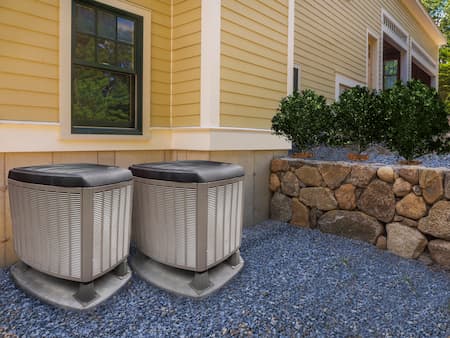
Thinking about a new AC installation in Los Angeles? The right equipment matters, but ductwork design often decides whether your home feels evenly cool or stuck with hot rooms and rising energy bills. In a city with microclimates from the Valley to the Westside, smart airflow planning helps your new system deliver quiet, steady comfort all summer.
Fulfilled HVAC and Electrical specializes in designing and installing systems that fit the way Los Angeles homes are built and lived in. If you want a smoother project and better comfort from day one, call 213-277-7004.
Why Airflow Planning Matters In Los Angeles Homes
Air conditioners do not push cold air by magic. Your ducts are the roads that carry cooling to each room. If those roads are narrow, leaky, or full of sharp turns, your new AC works harder and still leaves you warm. Higher energy use, noisy vents, short cycling, and early wear can all trace back to poor duct design.
Los Angeles adds a twist. Homes in neighborhoods like Sherman Oaks, Silver Lake, and Santa Monica face very different temperatures, sun exposure, and attic conditions. A one-size-fits-all duct layout ignores these realities. Good design starts with room-by-room airflow needs and ends with ducts sized and routed to meet them.
Signs Your Ducts Are Holding Back A New AC
- One or two rooms never reach the setpoint, especially bedrooms above garages or rooms with big west-facing windows.
- Vents sound loud or whistly when the AC starts, or airflow feels strong in the hall but weak in corners.
- Dust collects around supply grilles or the filter clogs quickly, often a clue to duct leakage or return issues.
- The thermostat shows big swings, cool then warm again, which suggests short cycling from high static pressure.
If any of these feel familiar, a new unit alone may not fix it. The duct system needs attention so the equipment can do its job.
How Professional Duct Design Boosts AC Installation Performance
Pros begin by calculating the cooling load of each room and mapping how much air each space needs. Then they size ducts to carry that air at the right speed. Long, crushed, or kinked runs are corrected. Tight turns become gentle sweeps. Returns are added where rooms starve for air. The goal is simple: deliver the target airflow to every register with minimal resistance and noise.
Think of it like tuning a highway. The right number of lanes, the smoothest path, and clear on-ramps keep traffic flowing. The reward is even temperatures, a quieter system, and lower utility bills because your AC does not have to fight the ducts to move air.
Los Angeles Housing Types And What They Mean For Ducts
Many older bungalows and mid-century homes in Los Angeles were built before central cooling was common. Ducts may have been added later in tight crawlspaces or hot attics. That can create long runs, awkward turns, and undersized returns. Newer infill homes can have open layouts with tall ceilings and large windows, which require balanced supply and return placement to manage afternoon sun.
In the San Fernando Valley, attic temperatures soar on summer afternoons. Ducts running through those spaces lose cooling unless they are well insulated and sealed. On the Westside, the marine layer can bring cooler mornings, but afternoon sun and salty air still test ducts and equipment. Good design addresses each of these local quirks.
The Role Of Return Air, Filters, And Grilles
Supply vents get a lot of attention, but return air is just as important. Without enough return grille area, your system struggles to breathe. That raises static pressure, reduces airflow, and can make the blower loud. Adding a dedicated return in a hot upstairs room or opening up undersized grilles often transforms comfort.
Filters matter too. A high-efficiency filter keeps your coil clean and the air healthier, but the size and type must match the blower's ability. If the filter is too restrictive or the rack is undersized, you trade clean air for poor airflow. Choose the right filter for your system to protect air quality without choking performance.
Sealing, Insulation, And Attic Realities In L.A.
Leaky ducts pull hot, dusty attic air into the system and push paid-for cooling out into empty spaces. That hurts comfort and your wallet. Proper sealing with mastic or UL-listed tapes, followed by insulation with the right thickness, keeps the air where it belongs. In hot attics common across Los Angeles, even small leaks add up fast.
Insulation is not only about R-value. The quality of installation matters. Gaps, compression, or missing wrap sections defeat the purpose. Seal and insulate ducts that run through hot attics to protect the capacity you just bought with your new AC installation.
In late summer and during wildfire season, Los Angeles homes can see smoke and fine particles move through small duct leaks. Tighter ducts and a correctly sized filter help keep indoor air cleaner while keeping your new AC efficient.
Static Pressure, Sizing, And Noise
Static pressure is the force your blower must overcome to move air. If ducts are too small, the blower works harder, airflow drops, and vents get noisy. High pressure also poses a risk of coil freeze-ups and short cycling. The fix is not a stronger blower. It is a smoother path with the right duct sizes, fewer sharp elbows, and adequate return area.
Noise ties back to pressure and airspeed. When air rushes through a small opening, it hisses. Proper sizing and the right type of grille calm that sound so you enjoy cool air without the whoosh. Keep static pressure in the safe zone to protect comfort and equipment life.
What To Expect During A Ductwork Evaluation
A thorough assessment looks beyond visible ducts. Your contractor measures static pressure, temperature change across the coil, and airflow at key vents. They check for crushed flex, long unsupported spans, leaky connections, and missing or thin insulation. Return paths in closed bedrooms are reviewed to prevent pressure imbalances.
- Room-by-room airflow targets are set, then ducts are sized to hit those numbers.
- Balancing dampers are installed where needed to fine-tune distribution.
- Filter racks and return grilles are upsized when restrictive.
- Leaky joints are sealed, then ducts are insulated to protect capacity.
When the plan is done, your AC has a clear path to move air quietly and efficiently, even during a September heat wave.
When Existing Ducts Need Updates Before A New AC
Sometimes the smartest move is to correct ductwork first. Undersized trunks, long spaghetti runs in the attic, or missing returns will push a new system beyond its comfort zone. Your contractor may recommend re-routing a few key runs, opening up return grilles, or replacing a problem section to avoid ongoing hot spots and noise.
If your ducts are very old, contaminated, or badly damaged, replacement can deliver better long-term comfort and air quality. Each home is different, so the scope varies by layout, attic and crawlspace access, and how rooms are used.
Airflow Balancing For Even Temperatures
After the AC installation, balancing brings the design to life. Dampers are set so each room gets its share of air based on size, windows, and sun exposure. Thermostat readings alone do not tell the full story. An airflow reading at the register and a quick pressure check guide precise adjustments.
Many Los Angeles homes benefit from added returns in upstairs bedrooms or larger grilles in living areas that run warm in the afternoon. Balance supply and return air, and you reduce temperature swings from morning marine layer cool to late-day heat.
Energy Efficiency And Comfort You Can Feel
Well-designed ducts lower runtime and help your AC cycle smoothly. That means quieter operation, less wear, and steadier temperatures through heat waves. It also means less humidity on sticky days along the coast because the system has the airflow it needs to move heat and moisture efficiently.
Even simple layout changes, such as straightening long flex runs or replacing a tight elbow with a long-radius turn, can reduce resistance. Those small wins add up to real comfort across the whole house.
Indoor Air Quality Considerations
Duct design and sealing affect more than comfort. Leaks can pull dusty attic air or garage fumes into the system. Thoughtful return placement and tight connections help keep the air cleaner. If family members have allergies or you are sensitive to smoke during wildfire season, talk with your contractor about filter sizing, media cabinets, and placement that keep pressure in check while improving air quality.
Choosing The Right HVAC Contractor In Los Angeles
Look for an HVAC contractor who treats the duct system as part of the AC installation, not an afterthought. Ask how they measure static pressure, verify airflow, and balance each room. A strong partner will show you the readings, explain the plan, and ensure the finished system is quiet and level.
With Fulfilled HVAC and Electrical, you get a local team that designs for Los Angeles conditions and backs the work with clear communication. Have questions about your home in the Valley, the Westside, or the South Bay? Call 213-277-7004 to schedule a visit.
Your Next Step To Reliable Cooling
A new air conditioner is a smart upgrade, but the ductwork makes it feel great. When ducts are sized, sealed, and balanced for your home, comfort is consistent room to room, noise drops, and energy waste shrinks. Partner with a contractor who leads with design and finishes with testing so your AC installation delivers the performance you expect in Los Angeles.
Ready for a cooler, quieter home this summer? Contact Fulfilled HVAC and Electrical to plan your system with the airflow it needs and the comfort you want.
We're the top choice in Los Angeles for HVAC contractor services. Contact us today for AC installation and more for your Los Angeles home.